Aduro Opens Up Latin American Market for Advanced Plastic Recycling
Mexico has quietly become a global leader in plastic recycling, recovering about 50% of its plastics and targeting 80% by 2030, thanks largely to ECOCE, a powerful industry-backed recycling organization. After major success with PET bottles, ECOCE is now tackling flexible plastics, which traditional recycling cannot handle. Aduro Clean Technologies enters as a potential breakthrough, offering water-based Hydrochemolytic™ technology that can recycle mixed and dirty plastics efficiently. A new multiyear collaboration between Aduro and ECOCE could unlock massive revenue and scalability, positioning Aduro at the center of Mexico’s next recycling leap.
Most people wouldn’t think of Mexico as one of the world’s leading plastic recycling countries, but it is. It has taken a concerted effort by both governmental agencies and private sector businesses over the last few decades to achieve some startling successes. Mexico now recycles approximately 50% of plastics produced there, compared to around 10% in the United States. The goal is to reach 80% by 2030, just five years from now.
ECOCE’s Crucial Role
Much of the progress has been made possible through the efforts of ECOCE, ECOCE is a non-profit environmental civil association created and sponsored by the food and beverage industry in Mexico. It administers Mexico’s national private collective packaging management plan for post-consumer plastic, aluminum, and other materials on behalf of its member companies. These companies include Mexican and multinational brands like PepsiCo, Danone, Mondelez, Unilever, Nestle, Quaker, etc.
Formed in 2002, ECOCE’s first major area of focus was to create a circular economy for PET plastic widely used in beverage bottles. It has been a wild success to this point, with PET collection rates having grown to about 63%, which is about the same collection rate as Europe (in the U.S. that rate sits around 33%). The world’s largest food-grade PET recycling facility can be found in Mexico.
A high level of technological development, collaboration, public education, and commitment combined to allow the country to reach these levels of recycling, but ECOCE is not done by any means. The organization is now turning its attention to another major source of plastic waste - flexible and multi-layer plastics. Think plastic bags, chip bags, bread bags, candy wrappers - if you start examining packaging you’ll notice how widespread and variable flexible plastics are. In Mexico it is estimated that about 1.5 million tonnes of flexible plastics are produced each year, or about 1.5 times as much volume as PET bottles.
The problem is that current technologies are unable to recycle the vast majority of it. It takes too much separation, washing, and sorting to create the single polymer feedstock necessary to feed mechanical- or pyrolysis-based recycling systems. It just doesn’t work.
Aduro Clean Technologies Enters the Picture
Aduro Clean Technologies (Nasdaq: ADUR) (CSE: ACT) is on the verge of commercializing a potential solution within the next 12 to 18 months. Its Hydrochemolytic™ technology (HCT) is a water-based chemical system capable of recycling a wide variety of plastics into the materials used to create new plastics. HCT requires minimal sorting and cleaning, operates at significantly lower temperatures than current approaches, uses much less energy, and is scalable from small localized solutions up to metropolitan mega-facilities.
Watch investor Penny Queen’s short video highlighting Aduro’s opportunity in Mexico.
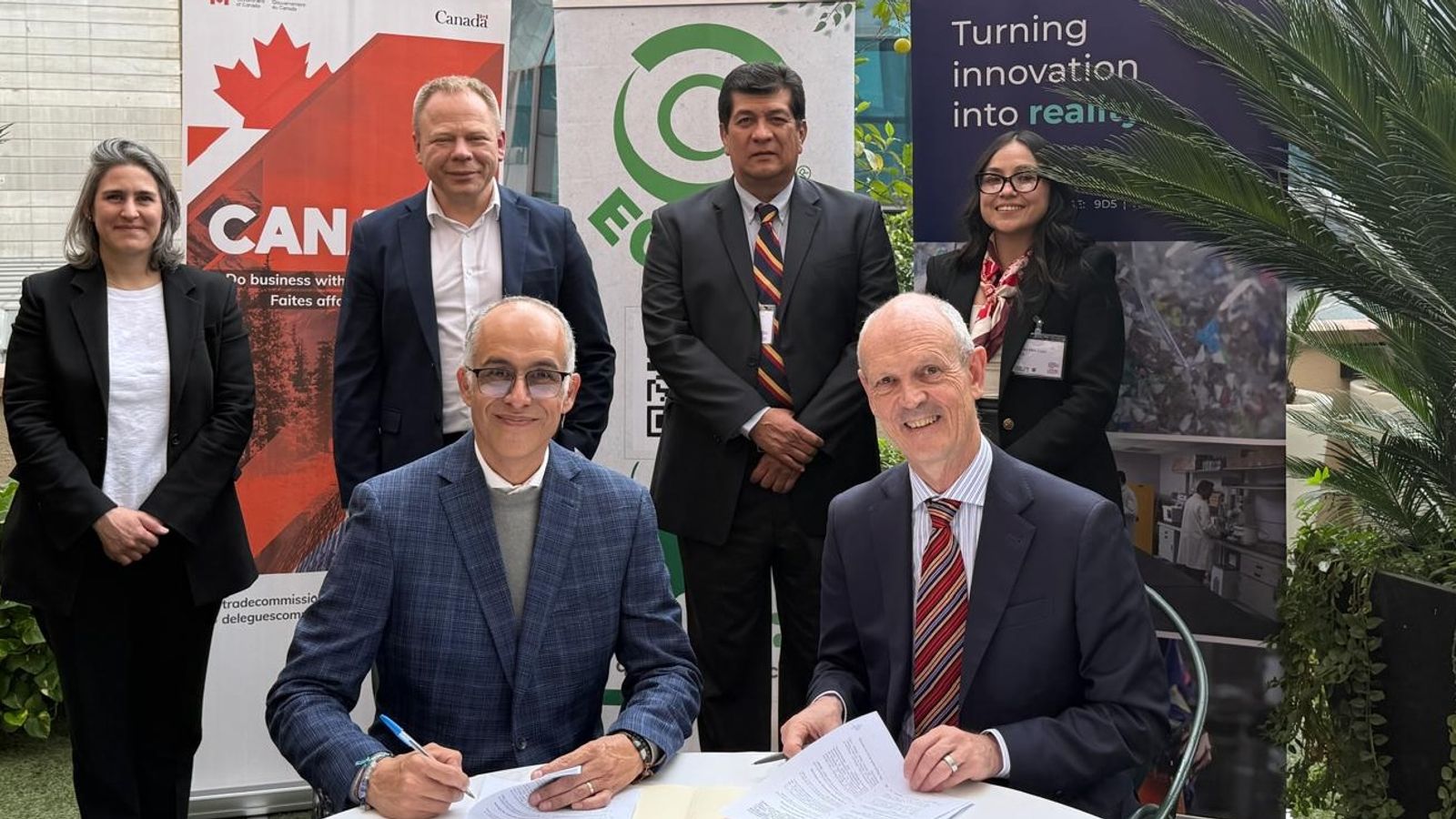
Aduro and ECOCE have just entered into a multiyear collaboration to evaluate and refine HCT for the recycling of post-consumer mixed and flexible plastics. And, from the press release, “...ECOCE and Aduro intend to study potential business models and routes to market that can create value for ECOCE’s associated members, waste collectors, and downstream offtake partners. The findings are expected to guide future decisions about how HCT-based recycling solutions might be deployed in Mexico. Options under consideration could include HCT facilities that may be owned and operated by Aduro, ECOCE members, or third parties under license from Aduro, as well as the potential establishment of an Aduro presence in Mexico.”
ECOCE’s track record of setting and achieving ambitious goals for recycling programs is documented. There is certainly the organizational will to make this collaboration work, and Aduro’s patented technology appears to be a perfect fit for the task. While other recyclers battle over the cleanest and purest plastic waste feedstocks available, Aduro positions itself as the solution for the dirty and impure waste streams that others can’t handle.
Revenue Opportunity
The financial implications of the collaboration are fairly staggering for Aduro as it nears commercialization. Currently generating no significant revenue, with a market capitalization around $430 million, Aduro is addressing a massive global market in need of technological solutions that can enable a circular economy for plastic waste. But just this one agreement, in one country of about 130 million people, has the potential to create transformative revenues for the company.
Capturing even 5% of the flexible plastic market in Mexico could generate $60 to $100 million in annual revenue. But ECOCE is not looking for a 5% solution, they want circularity across the country and have been successful in setting up a national system to achieve that goal with other plastic types. And there are no other technologies capable of recycling flexible plastics currently on the market.
The Upshot
ECOCE basically controls the waste recycling streams for the country. Collection and sorting and cleaning systems are all in place. Aduro has the opportunity to drop its scalable HCT technology right in the middle of this highly functional system to process large volumes of plastic that cannot be currently recycled. It’s a dream scenario for the company, and the commercial relationships formed with ECOCE members through the collaboration could help Aduro spread its revolutionary technology around the globe. This is definitely a story investors should be following.
This article reflects personal research and opinions and is provided for informational purposes only. It is not financial advice, a recommendation to buy or sell any security, or a consideration of your individual circumstances. Investing in small-cap and pre-commercialization companies involves significant risk, including the risk of total loss. Always do your own research and consider speaking with a qualified financial professional before making investment decisions.
Stay Informed with The Wire
Get the latest insights and analysis on public companies delivered directly to your inbox.